
Sierra Ancha, Arizona
Rising from low Sonoran Desert near Roosevelt Lake to pine-covered high country,
the 7,694-foot-tall Sierra Ancha remains one of Arizona’s less-visited sky islands. I
discovered the rugged range in the 1990s while hunting for 700-year-old Native American
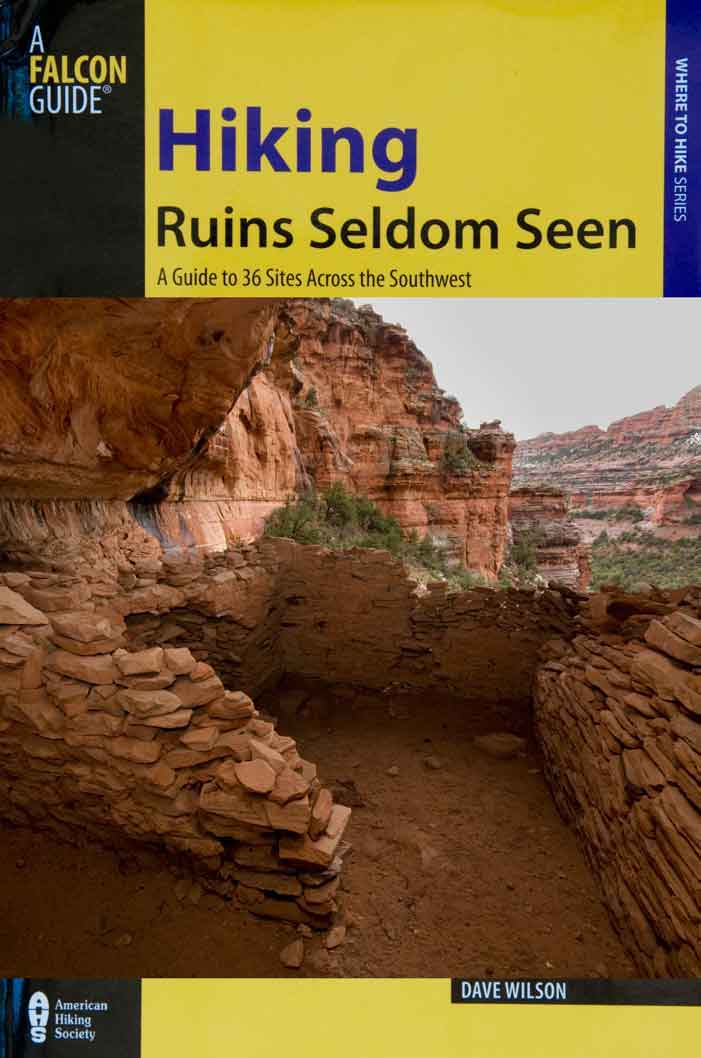
cliff dwellings to write about for my book Ruins Seldom Seen, but these days I visit the
beautifully wild mountains just to hike around and do photography. A couple of photos
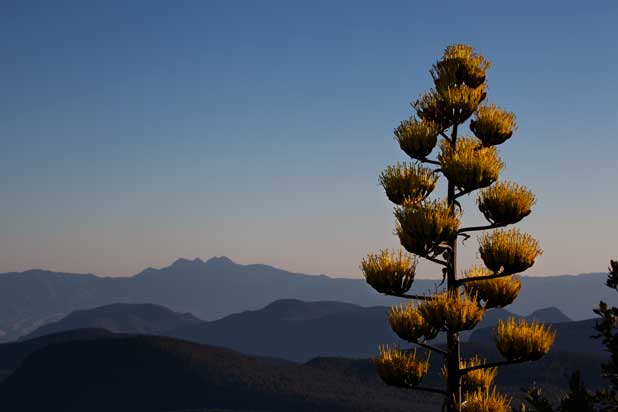
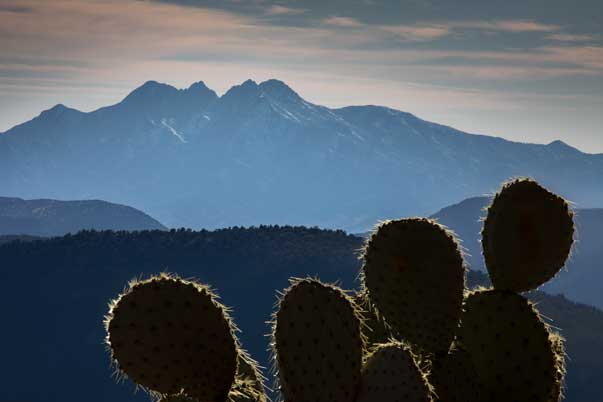
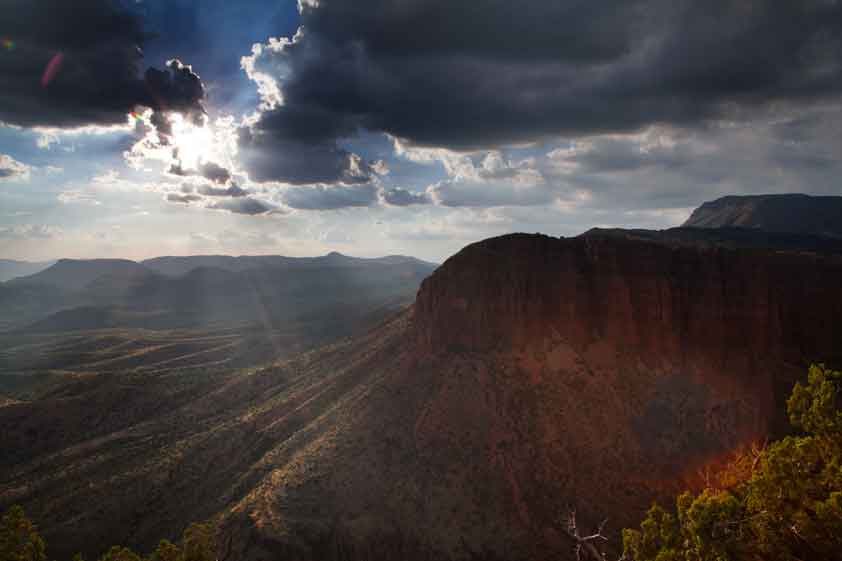
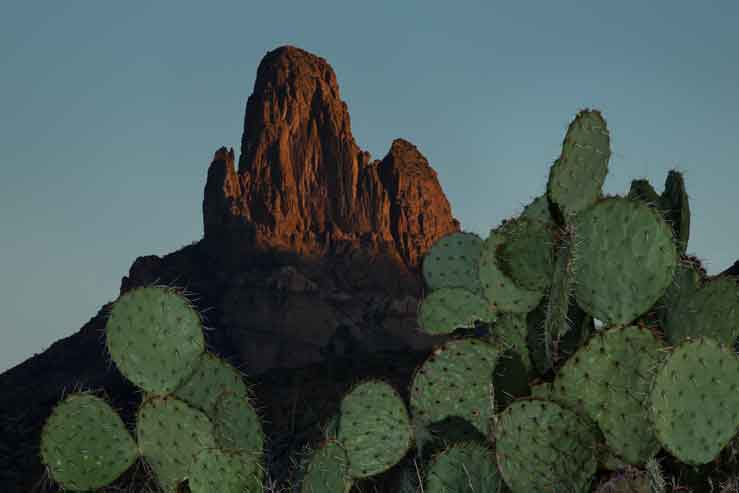
taken from McFadden Peak, the highest point in the Sierra Ancha, show Four
Peaks, which is about 25 miles to the south in the Mazatzal Mts.


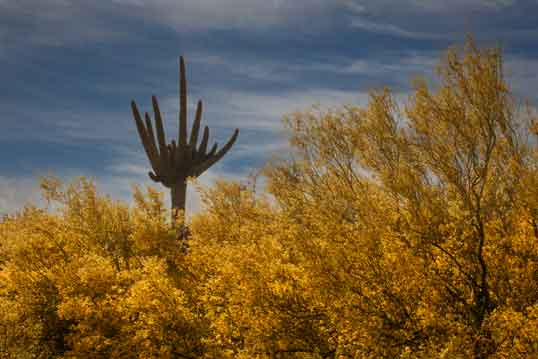
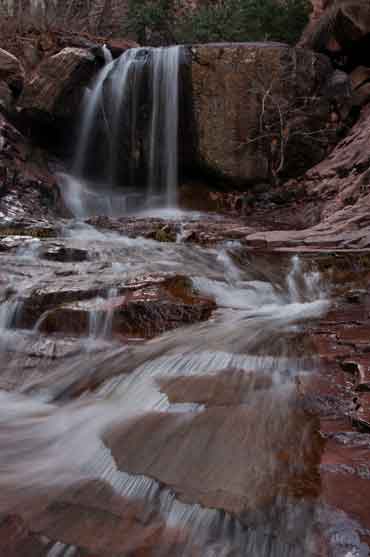
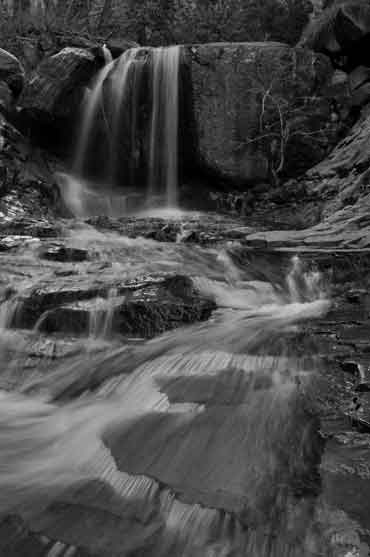
Saguaros and brittlebush on a foggy day in the lower Sierra Ancha, Arizona.     A century plant atop McFadden Peak in the Sierra Ancha, with the Mazatzal Mts. (including Four Peaks) in the distance   Waterfall in the Devil's Chasm in the Sierra Ancha, Arizona Waterfall in the Devil's Chasm in the Sierra Ancha, Arizona

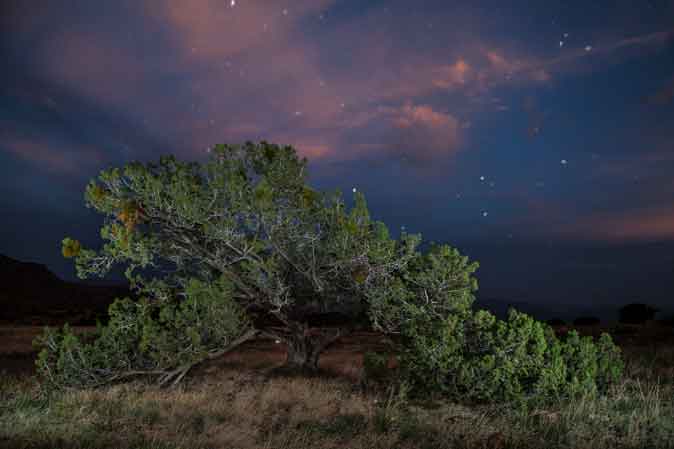
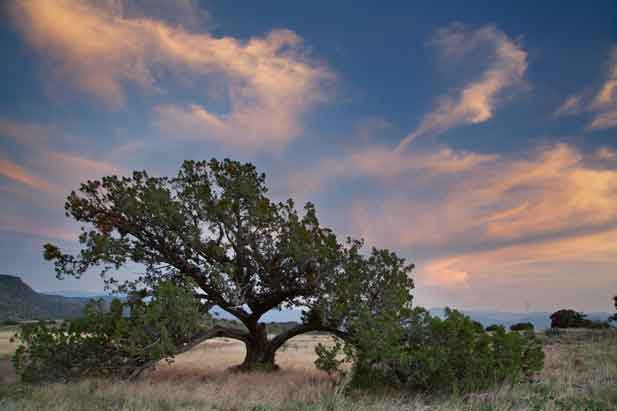
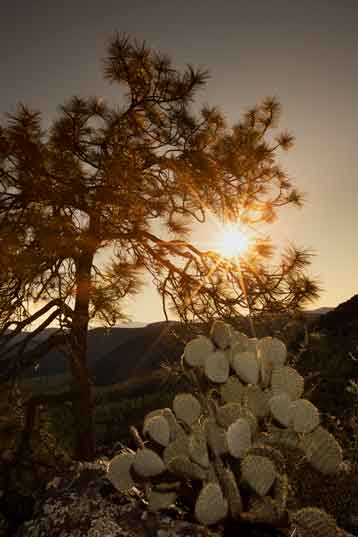
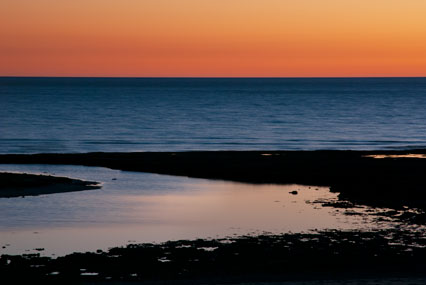
    Juniper tree at sunset in the Sierra Ancha, Arizona   Juniper tree in the Sierra Ancha, Arizona   A Ponderosa Pine tree looms over some Prickly Pear cactus atop McFadden Peak in the Sierra Ancha, Arizona.   Sierra Ancha, Arizona    

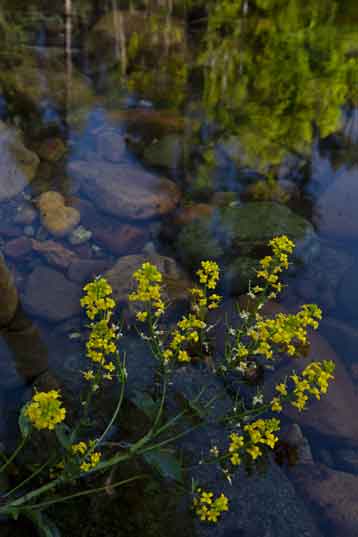
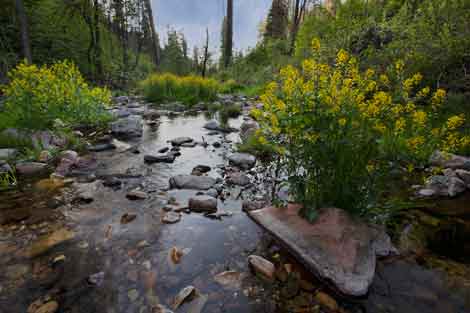
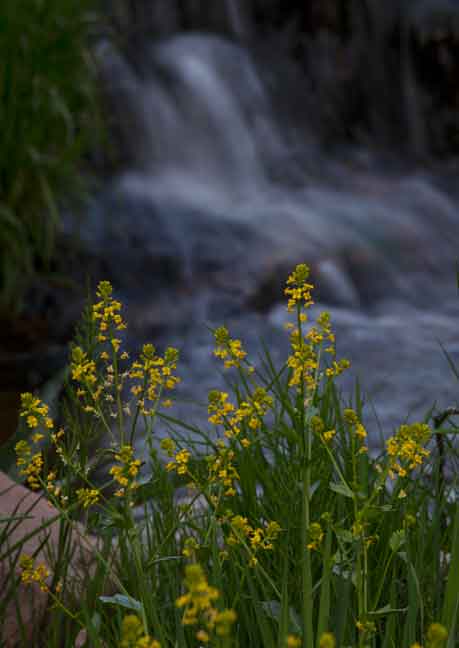
    Yellow rocket (Winter cress) growing along Workman Creek in the Sierra Ancha, Arizona   Yellow rocket (Winter cress) growing along Workman Creek in the Sierra Ancha, Arizona   Yellow rocket (Winter cress) growing along Workman Creek in the Sierra Ancha, Arizona   Looking from McFadden Peak in the Sierra Ancha south toward Four Peaks in the Mazatzal Mts. In the foreground are some Prickly Pear cactus.    

  Winter waterfall on Workman Creek in the Sierra Ancha, Arizona.
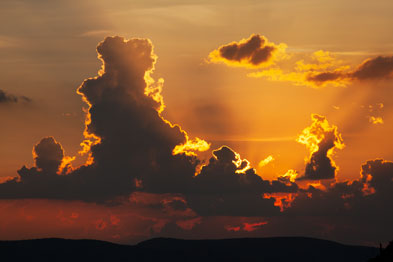
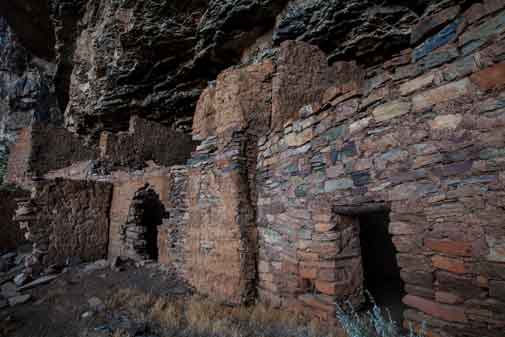
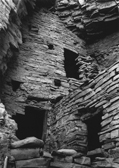
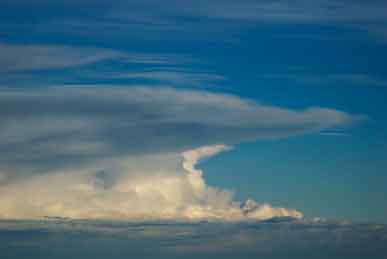
  Yellow rocket (Winter cress) growing along Workman Creek in the Sierra Ancha, Arizona   Clouds at sunset as seen from the Sierra Ancha, Arizona   Native American cliff dwelling in Pueblo Canyon in the Sierra Ancha. Previously classified as Solado, the ruin is now attributed to
the local Anchan culture. Tree ring samples from wooden beams show construction occurred from A.D. 1290 to 1330 (not for sale).  

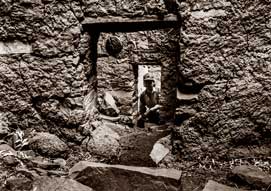
      Native American cliff dwelling in the Devil's Chasm in the Sierra Ancha. Previously classified as Solado, the ruin is now attributed to
the local Anchan culture. Tree ring samples from wooden beams show construction occurred from A.D. 1275 to 1300 (not for sale).
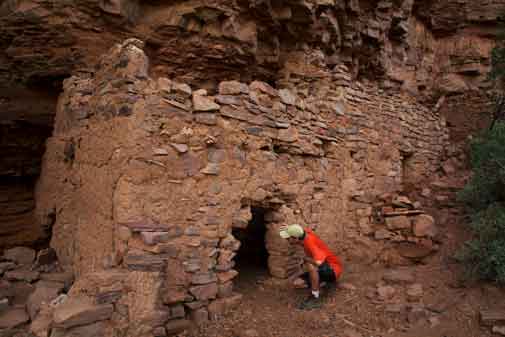
  Native American cliff dwelling in Cooper Forks Canyon in the Sierra Ancha. Previously classified as Solado, the ruin is now
attributed to the local Anchan culture. Tree ring samples from wooden beams show construction began in A.D. 1304.   Native American cliff dwelling along Coon Creek in the Sierra Ancha occupied by the Salado people 700 years ago.